
When purchasing a used excavator, buyers often focus on operating hours, appearance, brand, and model. However, two of the most important factors affecting the actual working performance of a second-hand excavator are the engine and hydraulic system. These core components directly influence digging power, fuel efficiency, operating speed, reliability, and the overall productivity of the machine.
For contractors, equipment dealers, rental companies, and international buyers, understanding engine and hydraulic performance can make it easier to evaluate a used excavator before purchase. A machine with a clean appearance may still require attention if its engine or hydraulic system has significant wear.
For buyers sourcing equipment internationally, working with reliable second-hand machinery suppliers can also help reduce purchasing risks. Professional suppliers can provide machine specifications, operating information, inspection details, photos, and videos so buyers can better understand the condition of equipment before shipment.
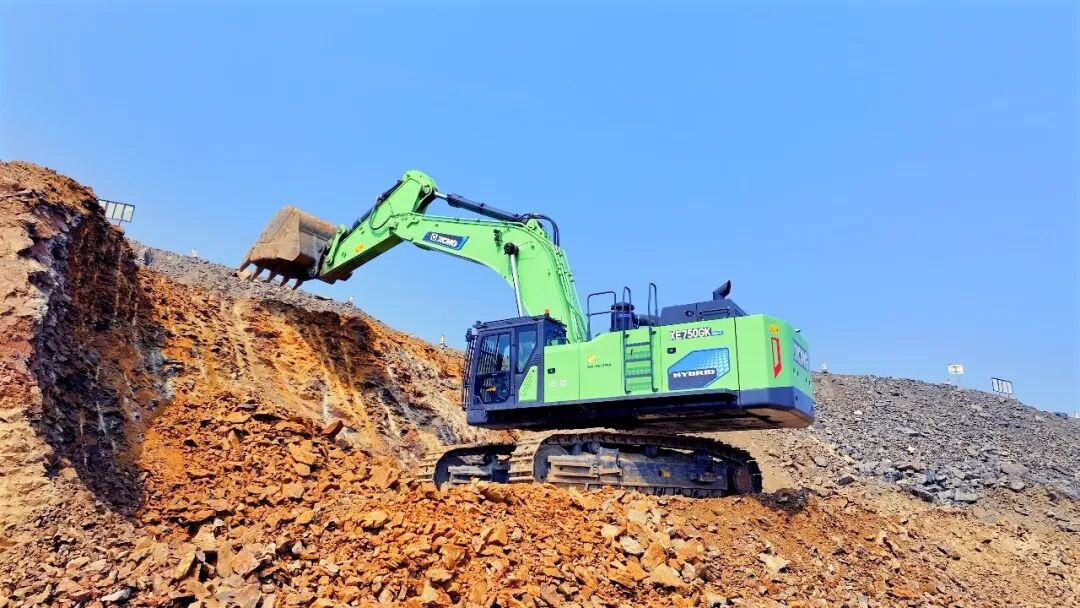
Why Engine Performance Matters in a Used Excavator
The engine is the primary power source of an excavator. It generates the power required to drive the hydraulic pump and operate other systems. If the engine cannot provide stable and sufficient power, the excavator may not perform efficiently even when other components are in good condition.
When evaluating a used excavator for sale, buyers should pay attention to several aspects of engine performance, including starting behavior, exhaust emissions, idle stability, acceleration response, unusual noise, oil consumption, and signs of leakage.
A well-maintained engine should generally start smoothly and maintain a stable idle. Excessive smoke, abnormal vibration, unusual engine noise, or difficulty starting may indicate that further inspection is required.
Engine condition is particularly important for excavators used in demanding applications such as mining, quarrying, road construction, foundation work, and large-scale earthmoving. These applications can place significant loads on the engine for extended periods.
Engine Power and Excavator Productivity
Engine power affects how efficiently an excavator can perform demanding tasks. Digging, lifting, swinging, and traveling all require power. When an engine operates properly, it can provide the hydraulic system with the energy needed for consistent machine performance.
However, higher horsepower does not automatically mean that one excavator is suitable for every project. Buyers should consider machine size, operating weight, bucket capacity, hydraulic output, fuel consumption, and intended application together.
For example, a compact excavator may be more suitable for urban construction and landscaping, while a medium or large excavator may be better suited to infrastructure, mining, and large earthmoving projects.
Fuel Efficiency and Engine Condition
Fuel consumption is another important consideration when purchasing a second-hand excavator. Construction companies often operate excavators for long working hours, so fuel efficiency can have a significant impact on operating costs.
Poor engine maintenance may contribute to excessive fuel consumption. Air intake problems, injector issues, fuel-system problems, and other mechanical conditions can affect combustion efficiency.
This is why buyers should look beyond the machine’s exterior appearance. Checking maintenance records and, where possible, operating the machine under working conditions can provide more useful information about actual performance.
Understanding the Hydraulic System of a Used Excavator
The hydraulic system is another critical component of an excavator. Unlike conventional machinery that relies primarily on mechanical transmission, modern excavators use hydraulic power to control the boom, arm, bucket, swing mechanism, and travel system.
The hydraulic system typically includes components such as:
- Hydraulic pump
- Hydraulic valves
- Hydraulic cylinders
- Hydraulic motor
- Hydraulic hoses and lines
- Hydraulic oil tank
- Filters and related components
The condition of these components directly affects excavator performance.
A smooth-operation used excavator should generally demonstrate consistent movement when the operator controls the boom, arm, bucket, and swing functions. Slow response, irregular movement, excessive noise, or hydraulic leakage may indicate that the system requires further inspection.
Hydraulic Performance and Digging Force
Digging force is one of the most important performance characteristics of an excavator. The hydraulic system converts engine power into hydraulic pressure and flow, allowing the working attachments to generate the force required for excavation.
If the hydraulic system is operating properly, the excavator should be able to perform digging operations smoothly and consistently.
When inspecting a used excavator, buyers can observe whether the machine maintains stable digging force when working with different loads. If the machine loses power under load or the boom and arm move unusually slowly, the hydraulic system may require additional evaluation.
Hydraulic performance is especially important when the machine is intended for hard soil, quarrying, mining, foundation excavation, or other heavy-duty applications.
Hydraulic Pump Condition
The hydraulic pump is one of the most important components in an excavator’s hydraulic system. It converts mechanical power from the engine into hydraulic energy.
A worn hydraulic pump may cause reduced hydraulic pressure or inconsistent machine performance. Operators may notice slower movement, weak digging performance, delayed responses, or unusual hydraulic noise.
For international buyers searching for used excavators from China, hydraulic pump condition should therefore be included in the equipment inspection process.
A professional supplier should be able to provide information about the machine’s working condition and, when available, maintenance or inspection records.
Hydraulic Cylinders and Leakage
Hydraulic cylinders control the movement of major working components such as the boom, arm, and bucket. Their condition directly affects the smoothness and reliability of excavation operations.
When inspecting a used excavator, buyers should look for:
- Oil leakage around cylinder seals
- Scratches or damage on cylinder rods
- Uneven movement
- Hydraulic pressure loss
- Abnormal movement after the machine has been parked
Visible hydraulic oil leakage does not always indicate a major mechanical failure, but it should not be ignored. Depending on the source and severity of the leak, repairs may range from replacing seals to servicing larger hydraulic components.
How Engine and Hydraulic Systems Work Together
The engine and hydraulic system should not be considered separately. They work together to determine much of an excavator’s operating performance.
The basic process is relatively straightforward. The engine generates mechanical power, and the hydraulic pump converts that power into hydraulic energy. Hydraulic oil is then distributed through valves and lines to operate the cylinders and hydraulic motors.
This means that an engine problem can affect hydraulic performance, while a hydraulic problem can make a healthy engine appear weak during operation.
For example, an excavator may have a properly functioning engine but still demonstrate poor digging performance if its hydraulic pump cannot generate sufficient pressure or flow.
Conversely, a hydraulic system may be in good condition, but insufficient engine power can limit the system’s ability to operate efficiently under heavy loads.
Therefore, a complete inspection should evaluate both systems rather than focusing on only one.
What Should Buyers Check Before Purchasing a Used Excavator?
When purchasing a used excavator for sale, buyers should evaluate the machine as a complete system. Engine and hydraulic performance are particularly important, but other components should also be inspected.
1. Check the Engine Start-Up
Observe how quickly the excavator starts and whether the engine maintains a stable idle.
Look for excessive smoke, unusual sounds, abnormal vibration, or signs of oil and coolant leakage.
2. Observe Hydraulic Movement
Operate the boom, arm, and bucket individually and together. Check whether their movements are smooth and responsive.
Slow or inconsistent movement may require further investigation.
3. Test the Swing Function
The upper structure should rotate smoothly without excessive vibration or unusual noise.
Swing performance can provide useful information about the condition of the hydraulic motor and related components.
4. Test Travel Performance
Drive the excavator forward and backward and compare the performance of both tracks.
Uneven travel speed may indicate issues involving the travel motor, hydraulic system, undercarriage, or other components.
5. Inspect for Hydraulic Leaks
Check hoses, cylinders, pumps, valves, and connection points for visible oil leakage.
Small leaks may be repairable, but significant leakage should be evaluated before purchase.
6. Review Operating Hours
Operating hours can provide useful background information, but they should not be the only basis for judging machine condition.
A well-maintained excavator with higher operating hours may perform better than a poorly maintained machine with fewer recorded hours.
7. Check Maintenance History
If available, maintenance records can help buyers understand how the excavator was operated and serviced.
Important information may include engine maintenance, hydraulic oil changes, filter replacement, component repairs, and undercarriage maintenance.
Why Machine Condition Is More Important Than Appearance
A clean and well-painted excavator may look attractive in photographs, but appearance alone cannot determine mechanical condition.
For buyers searching for a good condition used excavator, mechanical performance should be a priority.
The condition of the engine, hydraulic system, undercarriage, boom, arm, bucket, electrical system, and cooling system can have a much greater impact on future operating costs than exterior appearance.
This is especially important for international buyers who may not be able to inspect the machine personally before purchase.
Photos and videos can help, but they should ideally be supported by detailed specifications, operating information, inspection records, and direct communication with the supplier.
Choosing a Reliable Used Excavator Supplier in China
China has a large market for construction machinery, making it an important sourcing destination for international buyers looking for used excavators and second-hand construction equipment.
However, suppliers can differ significantly in their product sources, inspection processes, inventory, and export experience.
When choosing excavator exporters in China, buyers can consider several factors:
- Available equipment inventory
- Machine brands and models
- Equipment inspection procedures
- Product information and transparency
- Export and logistics experience
- After-sales communication
- Availability of photos and operating videos
- Support for international shipping
A supplier with access to different brands and machine types may also make it easier for buyers to source multiple pieces of equipment for the same project.
Popular Used Excavator Brands in the Market
The international market includes many well-known excavator brands. Depending on the project and budget, buyers may consider different manufacturers and models.
Used XCMG Excavators
XCMG is a major Chinese construction equipment brand offering excavators for different applications. Used XCMG excavators can be considered by buyers looking for construction machinery from China.
Models such as the XCMG 60DA and XCMG 75DA can attract buyers looking for medium-sized excavators for construction and earthmoving applications.
Used SANY Excavators
SANY excavators are another common option in the global construction equipment market. Buyers may consider used SANY machines for construction, earthmoving, infrastructure, and related applications.
Used Komatsu Excavators
Komatsu is widely recognized in the heavy equipment market. Used Komatsu excavators are commonly considered for demanding construction, earthmoving, and mining-related applications.
Used CAT Excavators
Caterpillar excavators are also widely used in construction and heavy-duty applications. When purchasing a used CAT excavator, buyers should carefully evaluate engine condition, hydraulic performance, operating hours, and maintenance history.
Other commonly traded brands include Doosan, Kobelco, Hitachi, Hyundai, Kubota, and SDLG.
Used Excavator Selection Should Match the Application
The best machine for a project depends on the actual working environment.
For urban construction, buyers may prefer compact or medium-sized machines with suitable dimensions and operating flexibility.
For road construction, infrastructure, and general earthmoving, medium-sized excavators can provide a balance between digging capability and transportation requirements.
For mining, quarrying, and large-scale earthmoving, larger excavators with greater operating capacity may be more appropriate.
Attachment selection also matters. Standard buckets are suitable for general excavation, while specialized buckets, breakers, grapples, and other attachments can expand the machine’s application range.
Benefits of Buying Used Construction Machinery
One of the primary reasons companies purchase used machinery is cost control. A used construction machinery purchase can provide access to established equipment models without the initial investment associated with new machinery.
Used equipment can also be useful for companies that need additional machines for a specific project, want to expand their fleet, or operate in markets where equipment budgets are limited.
However, cost savings should always be considered alongside machine condition. A low purchase price does not necessarily represent good value if the machine requires significant repairs after purchase.
A better approach is to evaluate the relationship between purchase price, machine condition, expected working life, maintenance requirements, and intended application.
Why Inspection Matters for International Equipment Buyers
International machinery purchases involve additional considerations because the buyer may not be able to physically inspect the machine.
This makes supplier communication and pre-shipment inspection particularly important.
Buyers can request:
- Detailed machine specifications
- Current machine photographs
- Engine videos
- Hydraulic operation videos
- Cold-start videos
- Undercarriage photographs
- Hour-meter information
- Maintenance records, when available
- Inspection reports
- Shipping dimensions and weight
These materials can help overseas buyers better understand the actual condition of a used excavator from China before completing a purchase.
HCX as a Used Construction Machinery Supplier
HCX is located in Suzhou, Jiangsu Province, China, and is engaged in machinery and equipment sales, leasing, maintenance, and spare parts sales.
For international customers, the company focuses on the supply of used construction machinery and can serve buyers looking for second-hand equipment from China.
Its product focus includes used excavators and other construction machinery, making it relevant to contractors, machinery dealers, and overseas equipment buyers.
When evaluating a machine, HCX can provide equipment information to help buyers understand specifications and machine condition before making purchasing decisions.
For more information about available used excavators and construction machinery from China, international buyers can visit the HCX website and contact the company directly.
Conclusion
Engine and hydraulic performance are two of the most important factors affecting the productivity and reliability of a used excavator.
The engine provides the power required by the machine, while the hydraulic system converts that power into the controlled movement and digging force required for construction work. Problems in either system can reduce productivity and increase future maintenance costs.
For buyers, checking engine start-up, exhaust, operating stability, hydraulic response, digging force, cylinder condition, leakage, travel performance, and maintenance history can provide a clearer understanding of machine condition.
Whether purchasing a used XCMG, SANY, Komatsu, CAT, Doosan, Kobelco, or another excavator brand, buyers should focus on actual mechanical condition rather than appearance or operating hours alone.
For international customers sourcing used excavators from China, choosing a reliable supplier and requesting detailed machine information before purchase can make the buying process more transparent and practical.
Frequently Asked Questions
What is the most important system to check on a used excavator?
The engine and hydraulic system are among the most important systems to inspect because they have a direct impact on excavator power, digging performance, operating speed, and reliability.
How can I check the hydraulic condition of a used excavator?
Operate the boom, arm, bucket, swing, and travel functions. Check for slow movement, abnormal noise, hydraulic leakage, inconsistent operation, and loss of power under load.
Are operating hours enough to determine used excavator condition?
No. Operating hours are useful reference information, but maintenance history, engine condition, hydraulic performance, undercarriage wear, and overall operating condition should also be considered.
What brands of used excavators can international buyers consider?
Common brands in the international market include CAT, Komatsu, SANY, XCMG, Doosan, Kobelco, Hitachi, Hyundai, Kubota, and SDLG.
Why buy a used excavator from China?
China has a large construction machinery market and offers access to various brands, models, and equipment categories. Buyers should still evaluate supplier reliability, machine condition, inspection information, and export experience before purchasing.
What should I request from a Chinese used excavator supplier?
International buyers can request machine specifications, operating hours, photographs, operating videos, maintenance information, inspection details, dimensions, weight, and shipping information before confirming an order.